Menu
Close menu

Benefits of Whole-Home Filtration: Why should I filter every tap when I only drink from one?

The benefits of better water flow further than you might realise. We use water for much more than just drinking—why limit the improvements to just one part of your life?

post published 25th Nov 2025
post published Calculating...
Benefits of Whole-Home Filtration: Why should I filter every tap when I only drink from one?

Water, as you may have noticed, is everywhere. It's an essential part of life, both biologically and logistically; we rely on water to keep our bodies hydrated, but we also use it for cleaning, cooking, cooling, and a hundred other purposes in and around our homes. Water is much more than what we drink.

Most Australians enjoy direct access to clean, safe drinking water. It may taste or smell a bit foul because of the chemicals and impurities that go in between the reservoir and our kitchen taps, but that's easy enough to filter out with a jug or countertop system... right?

Point-of-use systems may be able to improve the taste and odour of some water, but those impurities are affecting much more than just the flavour. Our skin, hair, homes, health, wallets, and environment can all be impacted by the water that flows through our pipes and into our showers, appliances, and drains. Filtering your drinking water is a great start, but there's definitely still room for improvement.

Does Australian water even need to be filtered?
All things considered, Australia’s water situation is pretty remarkable. We live on one of the driest continents in the world, with our population thinly spread across an enormous landmass, but somehow we still have almost universal access to drinkable water. Quality is regulated by the Australian Drinking Water Guidelines (ADWG), a set of testing and treatment standards that make sure waterborne diseases are neutralised and chemical levels are carefully regulated.

However, “drinkable” is a lower bar than you might expect. Collecting, treating, and transporting potable water for nearly 28 million people is an impressive feat, but it's only possible thanks to a few compromises. Chemicals like chlorine and chloramine (an ammonia-chlorine compound) are added to our water supply to keep it bacterially safe as it travels through our aging water infrastructure, often collecting contaminants like sediments and metal particles along the way.

The ADWG is also more relaxed than some countries. For example, the latest version of the standards allow for chlorine levels up to 5mg/L—higher than the recommended dosage for disinfecting a backyard swimming pool. These chemical levels won't make you sick, but they may cause irritation in your skin, eyes, and lungs—and nobody likes drinking water that tastes and smells like it came straight from a pool.

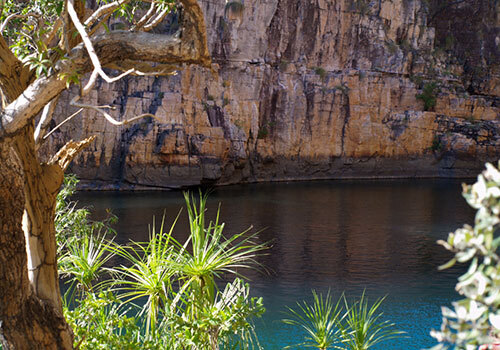
Rocky cliffs and blue river surrounded by green foliage
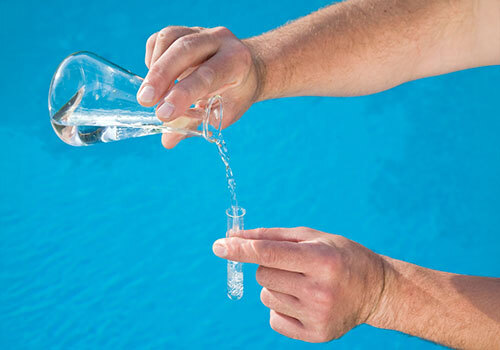
Man pouring water out of a flask into a test tube

Filtering for softer skin and healthier hair

Drinking isn't the only way we expose our bodies to chemically treated water. When we bathe or shower in chlorinated water, the chemicals strip natural oils from our skin and hair, leaving them brittle and dehydrated. Stripped hair loses its lustre and becomes more prone to breakage, and dehydrated skin is more vulnerable to sun damage and premature signs of ageing.

Chlorine can also cause itches and irritation for people with sensitive skin, eyes, or lungs. Hot showers are particularly prone to these impacts, as the heat expands our pores and adds chlorinated steam to the potential sources of exposure.

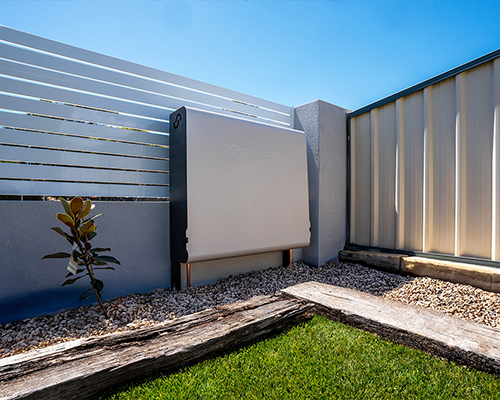
By filtering all the water that comes into your home, systems like Cloudtap's Essential and Design Series units protect your body from harsh chemicals without sacrificing hygiene or hydration.

If you live in a region with hard water, they can even condition the calcium and magnesium in your water to improve the lathering performance of soaps and hair/skincare products, making each bottle last longer and reducing the amount of chemicals you're rubbing into your body.

Woman touching her face
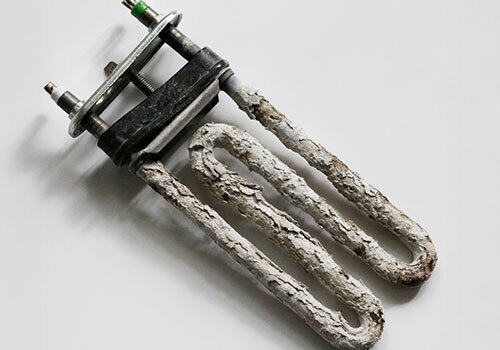
Metal pipes affected by limescale

Protect your pipes, fixtures, and appliances
A major reason most people only think about filtering their drinking water is that it's the most visible point of water usage in their home. However, the impacts of less-than-ideal water quality are often more significant in the places you can't see.

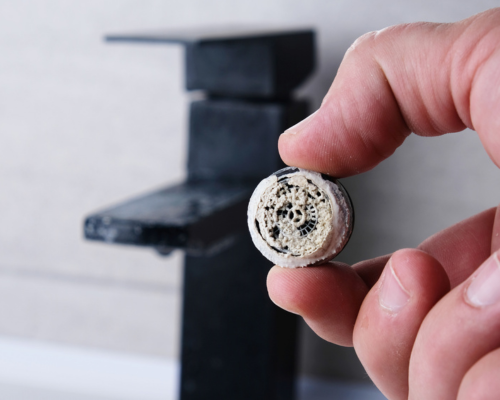
Limescale and mineral deposits can be a minor annoyance on your drinking glasses and shower screens, but they're much more concerning when they form around the internal heating elements of expensive appliances. Washing machines, coffee makers, even your home's hot water unit - hard water damage can cripple the lifespans of these kinds of water-using devices, leading to thousands of dollars in replacement costs.

Even if your water has very low mineral levels, treatment chemicals can have their own drawbacks for your pipes and plumbing. Over the last few years, hundreds of households have discovered issues caused by chlorine accelerating the oxidation of plastic pipes, leading to major leaks and expensive repairs. High chlorine and sediment levels can also increase wear on older metal pipes, increasing the levels of impurities entering your water before it reaches your taps.

Filtering your water before it touches your pipes or appliances can save countless headaches (and a lot of money) in the long run. The best systems will be tailored for your home and water to make sure they're protecting your pipes from things that are actually flowing through them; there's no point wasting money on water softeners, for example, if your water is already soft.

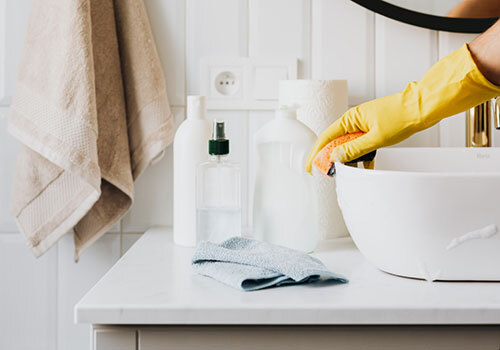
Gloved hand wiping the edge of a bathroom sink
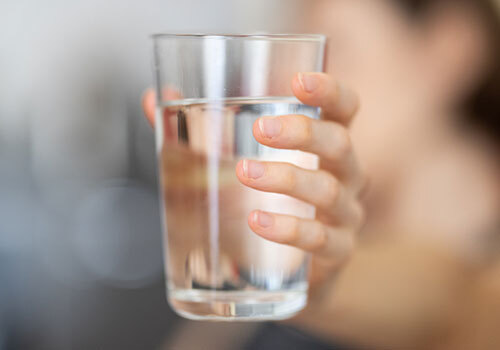
Woman's outstretched hand holding a glass of water

Better water, cleaner living

Filtering your water is a great way to reduce your plastic waste, with the average Australian spending over $500 on plastic water bottles every year. When you're getting bottled-quality water from every tap in your home, you can reduce that to one solid, reusable bottle—without sacrificing that ultra-clean taste or smell.

The plastic savings don't stop there; by filtering and softening your water, you can make soaps, detergents, and other cleaning products (most of which come in plastic bottles) more effective in smaller doses. More uses per bottle means fewer bottles per year, which in turn means less plastic waste. Reducing your reliance on those harsh cleaning chemicals is also good for our water basin and wider environment, cutting down on chemical run-off.

Of course, the "cleaner living" that's unlocked when you install a whole-home water filter is also literal—things are just much easier to keep clean. Our Scaleblock cartridges pre-bond calcium and magnesium salts to keep them from forming stubborn limescale stains, leaving only an easy-to-wipe-away powder. Reducing iron and sediment levels cuts down on other mineral stains around your taps and fixtures, and reducing chlorine and hardness generally makes your water more effective for rinsing and cleaning.

Even your toilet can benefit from filtered water! Conditioned water reduces staining and discolouration, and generally makes it much easier to keep wet areas clean. We still wouldn't recommend drinking from that particular outlet, though.

Tap into better water, feel the difference everywhere

Filtering your water may not be medically necessary in Australia, but the quality of life improvements are undeniable. Reducing unwanted chemicals and contaminants improves the lustre and lusciousness of your skin and hair, protects your pipes and appliances from early calcium-encrusted graves, and lessens your household's environmental impact.

If you're ready to take the plunge and experience the better water difference yourself, we're here to help. In case you weren't enticed by the dozen buttons on our website's homepage (or if you came straight to this article and haven't seen them yet), here's a link to our filter quiz. We have more than 40 system configurations, so we built the quiz to help narrow down those options and find the best system to suit your home and water.

Feel free to reach out using the contact form below or give us a call on 08 9202 6909 if you have any questions.

Popular articles

Cloudtap Q&A - How to choose your filters
Cloudtap has a lot of configuration options. Our filter quiz can build/recommend one for you, but wh
Read article
What are DBPs?
What are DBPs?
Chemical treatments are a vital part of providing safe water for Australian households, but that doe
Read article
What is hard water?
What is hard water?
No, we're not talking about ice. Hardness is one of several invisible characteristics about your wat
Read article