Menu
Close menu

What are DBPs?

Chemical treatments are a vital part of providing safe water for Australian households, but that doesn't mean those chemicals don't have any drawbacks. You get the disinfected water, but also the disinfection by-products.

post published 25th Nov 2025
post published Calculating...
What are DBPs?

For most Australian homeowners, turning on the kitchen tap delivers water that’s treated, regulated and, assuming there aren’t any major environmental factors currently impacting its quality, perfectly safe to drink. However, while adding chemicals like chlorine to our drinking water is definitely a net positive, that’s not the same as being only positive.

Treatments are strictly regulated by the Australian Drinking Water Guidelines (ADWG), but the primary goal of these regulations is to keep Aussies safe from waterborne diseases like cholera and dysentery. In a country as large and dry as Australia, certain compromises were necessary to make sure the worst threats are consistently neutralised.

A less-discussed aspect of modern water treatment is disinfection by-products (DBPs), chemical compounds formed when disinfectants react with organic matter in source water. While treatments are essential for public health, these by-products can be concerning for health-conscious homeowners trying to minimise their chemical exposure.

Fortunately, there are two easy ways to stay on top of DBPs without sacrificing the benefits of chemically treated tap water - understanding them, and filtering them out. And hey, you’re in the best place for both!

What are disinfection by-products (DBPs)?

When municipal water suppliers disinfect drinking water with chemicals like chlorine, those chemicals don’t just vanish once their job is done.

They react with naturally occurring organic compounds (from decaying plant and animal material) in the raw water, neutralising bacterial threats that could endanger anyone drinking or using that water. The compounds formed as a by-product of this disinfection reaction are called, fittingly, disinfection by-products.

The most prevalent DBPs in Australian drinking water include:

  • Trihalomethanes (THMs) like chloroform and bromoform
  • Haloacetic acids (HAAs)
  • Various other organic compounds listed in the ADWG
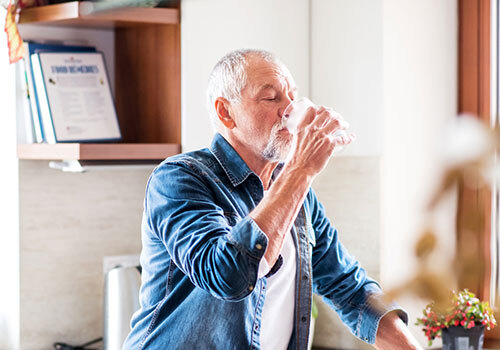
Older man drinking glass of water
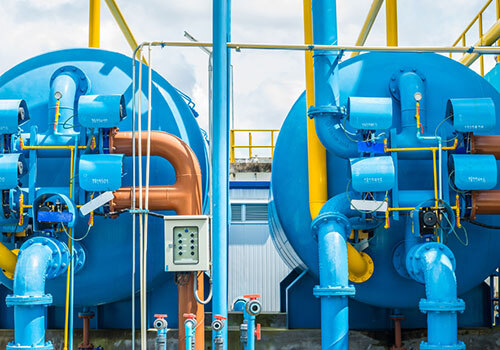
Blue water pumps

Why Australian water is treated

Australia’s water treatment systems rely on chemical disinfection because untreated water can carry bacteria, viruses and parasites that pose serious immediate health risks. Chlorination and other methods (chloramination, UV, ozone, etc.) effectively kill disease-causing microorganisms and keep water safe as it travels long distances through pipes.

However, this disinfection process can’t distinguish between harmful microbes and harmless natural organic matter. The reaction that neutralises pathogens also produces by-products.

The ADWG’s official stance is that reducing DBP levels shouldn’t compromise microbial safety, as the risk posed by pathogens far outweighs the long-term risk of by-products. They outline allowable limits for specific DBPs that have been detected in drinking water.

In this context, even when DBPs are detected and controlled, they can still be present below regulatory limits. For example, guideline values for total trihalomethanes are set at 0.25 mg/L (250 µg/L), with occasional higher levels considered unlikely to pose significant health risk.

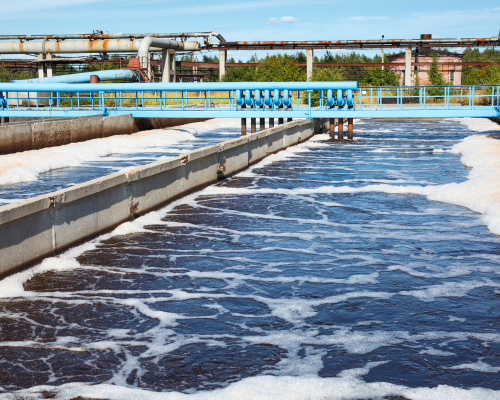
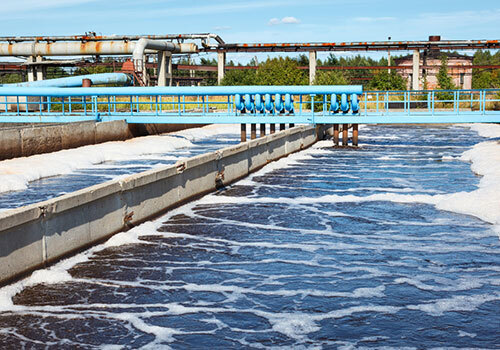
Water reservoir during the day
Old runner drinking from a water bottle

Are DBPs a health concern?

Scientific evidence suggests that long-term exposure to certain DBPs may be associated with a few serious health concerns. Some research has linked long-term consumption of chlorinated water with an increased risk of bladder and colon cancers, but our understanding of its exact impacts is still limited.

Other studies have raised concerns about reproductive issues and developmental effects with prolonged exposure to some by-products, although much of this research comes from international studies at higher exposures than typically found in Australian water.

Ultimately, DBPs do not make Australia’s tap water unsafe. However, it’s perfectly reasonable to add a few layers of risk-reducing protection to your home and minimise your chemical exposure.

Little girl drinking from a glass of water
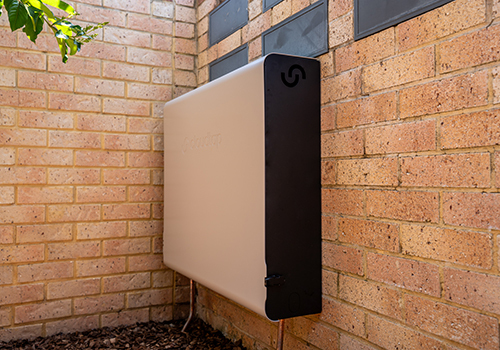
Side angle view of a design series system mounted to wall

Why home filtration matters

Most public water supplies meet safety standards and regularly pass stringent tests. However, these standards are designed for broad public health protection, not necessarily to achieve zero exposure to all DBPs or residual disinfectants.

This is where whole-home water filtration systems come into play—especially for families prioritising overall wellbeing, taste, and minimising chemical contact with skin and body.

1. Whole-home filtration removes DBPs at every tap

Unlike single-tap filters (like jug filters or undersink units), whole-home systems treat water at the point it enters your property. This means:

All water used for drinking, cooking, bathing and laundry is filtered.

You can reduce the DBPs coming into your house rather than boiling them away once they’re already inside.

You minimise chemical exposure every time you shower or wash your hands.

Systems that combine high-grade activated carbon or catalytic carbon media—especially in multi-stage setups—can effectively adsorb DBPs and other chemical residues, improving overall water quality throughout your home.

2. Catalytic carbon targets harder-to-remove compounds

Some DBPs and related chemicals, including those associated with chloramine treatment (used in some Australian networks for its longer-lasting disinfectant effect), can be harder to remove. Standard carbon filters may struggle, but catalytic carbon filters excel by facilitating chemical reactions that break down stubborn contaminants.

3. Better taste, smell, and skin comfort

Many Australians find that filtered water tastes cleaner and smells less chemical. This isn’t just aesthetic — disinfectant residues can strip natural oils from skin and hair, contributing to dryness or irritation for sensitive individuals. Whole-home systems help reduce this effect by filtering all household water, not just what you drink.

Reducing exposure, not danger

This may sound odd coming from a company that wants to sell you a filtration system, but you should NOT buy a whole-home water filter JUST to remove disinfection by-products. Australian tap water is among the safest in the world, and the risks posed by DBPs are largely irrelevant in the concentrations we can expect to find in our tap water.

However, that doesn’t mean our water doesn’t have room for improvement. These by-products may not be a deadly threat, but they’re not good for you—and if you happen to remove them while also making your water taste, smell, and feel better, you certainly won’t miss them.

A well-designed whole-home filtration system can:

  • Reduce DBPs and residual disinfectants throughout your household water.
  • Improve taste, smell and experience.
  • Give peace of mind for families prioritising long-term health.

For Australians who care deeply about what’s in their water, whole-home filtration is a proactive step toward cleaner, better water every day.

Popular articles

Cloudtap Q&A - How to choose your filters
Cloudtap has a lot of configuration options. Our filter quiz can build/recommend one for you, but wh
Read article
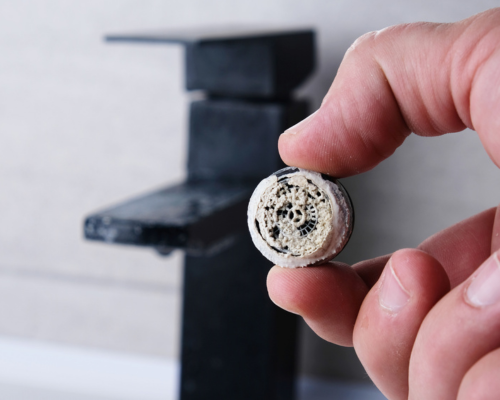
What is hard water?
What is hard water?
No, we're not talking about ice. Hardness is one of several invisible characteristics about your wat
Read article
Benefits of Whole-Home Filtration: Why should I filter every tap when I only drink from one?
The benefits of better water flow further than you might realise. We use water for much more than ju
Read article