Menu
Close menu

What is hard water?

No, we're not talking about ice. Hardness is one of several invisible characteristics about your water—one with a very visible, often very expensive impact.

post published 25th Nov 2025
post published Calculating...
What is hard water?

“Hard” may seem like a funny word for describing a liquid, but the impacts of hard water are no laughing matter. If you’ve ever noticed chalky white marks on your shower screen, a kettle that scales up far too quickly, or soap that just won’t lather properly, you’ve already met hard water—whether you realised it or not.

Hard water is common across many parts of Australia, and while it’s not dangerous to drink, it can quietly wreak havoc on your home, appliances, and plumbing over time. It’s also completely immune to most filtration methods, so tackling hardness can be challenging without the right tools for the job.

What makes water "hard"?

Hard water is simply water that contains higher levels of dissolved calcium and magnesium (more than 60mg/L by Australian standards). These minerals naturally enter water as it moves through soil and rock, particularly limestone and chalk.

Australia has a lot of mineral-rich geology, which means hard water is especially common in parts of Western Australia, South Australia, Victoria, and regional NSW. Groundwater supplies are particularly prone to hardness, but even some treated mains water can still carry significant mineral content if it was drawn from reservoirs with limestone banks or mineral-rich soils.

From a health perspective, hard water is generally considered safe to drink. In fact, calcium and magnesium are essential nutrients. The problem isn’t what hard water does inside your body—it’s what it does everywhere else.

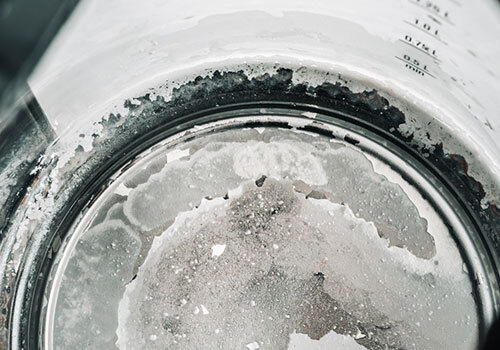
Close-up of limescale build-up on a metal surface
Water cove in outback Australia

Limescale: The visible side of hard water

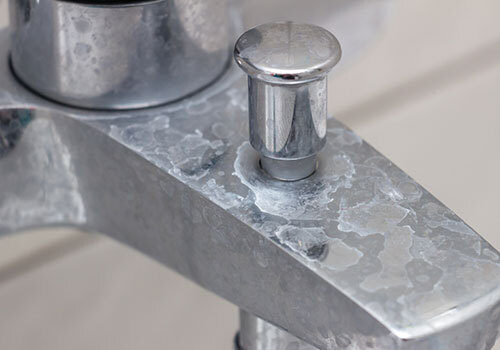
The most obvious sign of hard water is limescale—that white, crusty residue left behind when hard water dries. You’ll typically see it on shower heads/screens, tiles and grout, sink drains, and the insides of kettles.

What’s happening here is simple chemistry. When hard water is heated or evaporates, calcium carbonate is left behind. Over time, this builds up into stubborn scale that’s difficult to remove—and keeps coming back no matter how often you clean.

Many households end up using harsher cleaners or more elbow grease just to keep bathrooms and kitchens looking presentable. That’s not just annoying; it can also damage surfaces over time.

What hard water is doing inside your pipes
While seeing limescale on your taps is frustrating, the real trouble starts where you can’t see it. As hard water flows through your plumbing, mineral deposits slowly accumulate on the inside of pipes. This narrows the internal diameter, reducing water flow and increasing pressure. Over the years, this narrowing can lead to reduced water pressure, blockages, increased strain, and even a higher risk of leaks or pipe failures.

Hot water systems are especially vulnerable. Heating water accelerates the limescale bonding process, meaning scale builds up faster in tanks, heating elements, and pipework connected to hot water outlets.

In severe cases, limescale can act like insulation inside a hot water system, forcing it to work harder and use more energy just to heat the same amount of water. Scale also forms unevenly across the heating element, making some parts hotter than others and damaging the material of the element.

Limescale build-up on a metal faucet
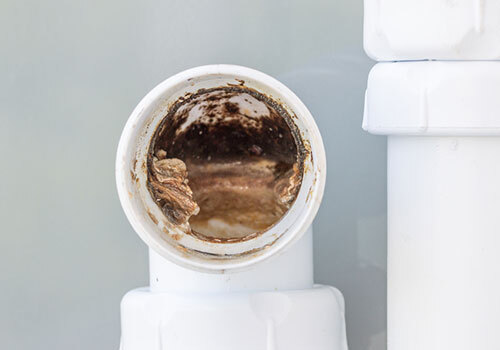
Close-up of limescale inside a pipe

Large-scale appliance issues

Pipes and hot water systems aren’t the only parts of your house that suffer in silence as limescale builds up around their innards. Anything with a heating element can be affected - that includes coffee machines, dishwashers, washing machines, and any other appliances in or around your home that use hot water.

Mineral scale can coat heating elements, clog valves, and interfere with sensors. Appliances suffering from hard water damage often take more time and power to operate, break down more frequently, and will need replacing sooner. Over time, hard water can quietly add thousands of dollars in repair and replacement costs.

Why soap and shampoo don’t work properly
Limescale is the most visible impact of hard water, but it isn’t the only headache caused by high mineral content. Calcium and magnesium react with the fats in soap, forming a sticky residue often called “soap scum”. This scum interferes with lathering, forcing you to use larger quantities to achieve the desired results and go through bottles of hair/skincare products more quickly.

The lathering issues also extend to rinsing, making it harder to remove residue from the higher levels of chemicals you’re rubbing onto your body. This residue can leave skin feeling dry or itchy and hair feeling dull, heavy or hard to rinse clean. The same applies to laundry detergents, making fabrics feel stiff and look faded over time as you use larger amounts of laundry liquid/powder and leave residual traces on your clothes.

Again, none of this is dangerous—but it’s uncomfortable, inconvenient, and expensive.

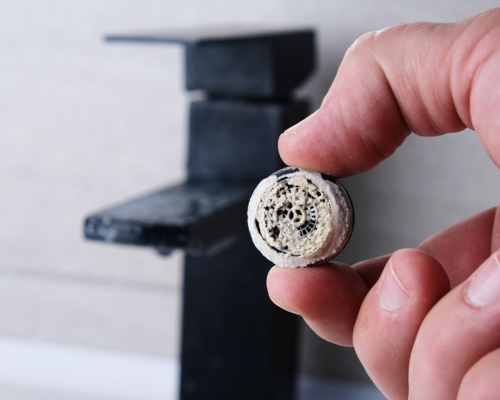
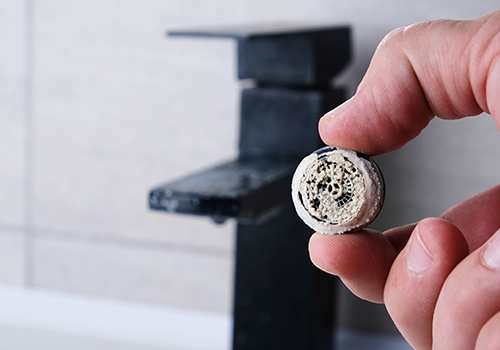
Close-up of a man holding limescale build-up on a tap
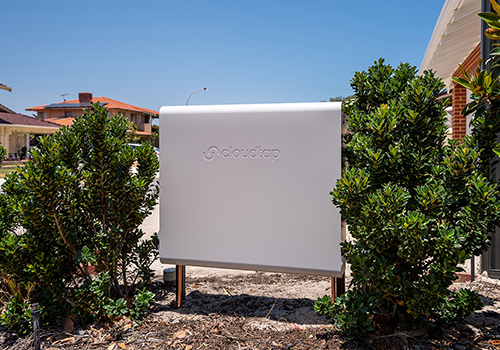
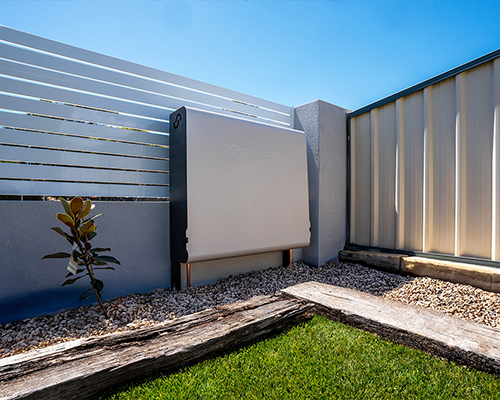
A Cloudtap design series system

Better water made easy

Hard water is one of those problems that doesn’t shout—it whispers. A cloudy shower screen here, a broken kettle there, slightly higher energy bills over time.

But when you step back and look at the bigger picture, hard water can quietly cost Australian homeowners money, time and comfort. Understanding what it is—and what it’s doing behind the scenes—is the first step toward deciding how much of it you’re willing to live with.

As for the next step… well, that’s where we come in! Cloudtap’s Scaleblock cartridges pre-bond calcium carbonate before it enters your home, keeping it from latching onto glass surfaces and heating elements. Rather than stripping healthy minerals or pumping your water full of sodium like traditional softeners, purifiers, or ion exchange resins, our Scaleblock media conditions your water to filter out headaches while maintaining full mineral quality.

We have multiple options for hard water, targeting different combinations of impurities that come up across the country. To find out more, check out our filter quiz.

Popular articles

Cloudtap Q&A - How to choose your filters
Cloudtap has a lot of configuration options. Our filter quiz can build/recommend one for you, but wh
Read article
What are DBPs?
What are DBPs?
Chemical treatments are a vital part of providing safe water for Australian households, but that doe
Read article
Benefits of Whole-Home Filtration: Why should I filter every tap when I only drink from one?
The benefits of better water flow further than you might realise. We use water for much more than ju
Read article