Menu
Close menu

Can I drink unfiltered rainwater?

Rainwater is a beautiful source of pure, natural water, straight from the sky to our taps... right? Turns out there might be more going on in those tanks than you realise.

post published 25th Nov 2025
post published Calculating...
Can I drink unfiltered rainwater?

Tank water has some major advantages over other sources, and connecting a rainwater tank to your home is a great way to save water and live more sustainably. However, as brilliant as rainwater is, it isn't magic. Coming straight from the sky doesn't guarantee that it will be pure, healthy, or even safe - especially by the time it reaches your taps.

Proper filtration and treatment are vital steps for ensuring your rainwater is everything you need it to be.

What's wrong with unfiltered rainwater?

In most cases, the actual rain is perfectly fine. However, drinking rainwater isn't just a matter of stepping outside while it's raining and opening your mouth as wide as you can. There are several steps in between - and that's where the contaminants can arrive.

Roof grime and gutter gunk

Rainwater tanks may be storing your water, but most of the actual catchment and delivery is done by your roof and gutters. If you've ever taken a look at the contents of your home's gutters, you'll know that it's not just rain falling on that roof.

Dust, dirt, plant debris, and even animal droppings are scattered all over Australian roofs, and the water you're drinking has flowed over all of that on its way to your tank. The impacts of these impurities can range from adding a slightly gritty flavour to your water to seriously compromising its chemical quality, so it's important to have a few layers of protection between your gutters and your guts

Bacteria and organic compounds

Rainwater is free from the treatment chemicals that we would usually want filtered out of mains water, but those chemicals are added for a reason. Stagnant water left sitting in your tank can be a breeding ground for bacteria, especially when pre-contaminated organic matter is slipping into the tank from your gutters.

Natural impurities like tannins and sediments can also be a real pain to deal with, causing stains and clogging pipes in your home.

Chemical contaminants

Your roof isn't the only waystation that can add impurities to your rainwater; some of the contaminants are in the air itself! Agricultural and industrial pollutants often come in the form of smoke or aerosolised particles, and mining regions can have heavy metal particles carried on the wind. Solid and liquid particles may end up on your roof and join the other gunk making its way into your tank, but other impurities contaminate the rain itself.

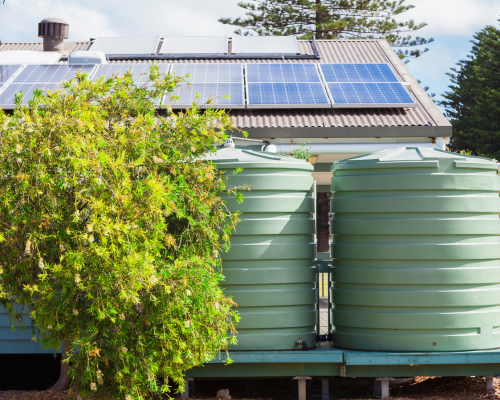
Rainwater dripping off a roof
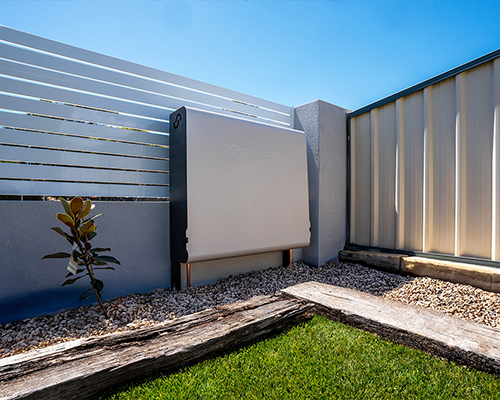
Cloudtap design series system

The most effective solution

Fortunately, addressing these concerns is quite straightforward. As long as you have a reliable filtration and disinfection system set up, you can connect your rainwater tank to your home and use every tap, hose, and outlet without a care.

As the contaminants in tap water can be both solid and liquid, we recommend a combination of sediment and chemical filtration. Cloudtap filter packs designed for rainwater come with a pleated sediment filter that catches both large debris and particles 14x finer than a human hair, paired with an activated carbon filter to break down chemical contaminants.

You can also use ultra-fine filters tailored specifically for heavy metals, or bacteriostatic silver-impregnated filters that stop bacteria from forming inside your filtration system. Just remember, no level of filtration will kill bacteria; even specialised antibacterial filters can only prevent new bacteria from forming, they won’t do anything about what’s already there.

If you’re using your rainwater tank as a source of drinking water, make sure there’s some kind of disinfection process between the tank and your taps. Periodically adding chlorine to your tank or installing a UV disinfection system can complement a filtration system and make sure your water is safe to drink and use.

Tank water tips & maintenance

In addition to installing a whole-home filtration system for your tank (we sell them, so we’re going to keep bringing them up), there are steps you can take around your home and water to stay on top of your water quality:

  • Clean your gutters regularly to remove the worst of what’s up there.
  • Make sure your tank is properly sealed to reduce bacteria, mould, and other contaminations.
  • Drain and clean your tank periodically - don’t let the water sit stagnant all year. Draining your tank to clean out sediments and other accumulated gunk helps break down and remove biofilms and other fouling sludge.

Better rainwater for your whole home

With proper treatment and filtration, rainwater tanks can unlock a healthier and more sustainable lifestyle. We're always talking about the benefits of reducing chemical contaminants in your water, so using a natural source that doesn't have those chemicals in the first place is a great idea.

Becoming totally reliant on tank water may not be an option for everyone (especially on one of the driest continents in the world), but even just supplementing part of your water use with collected rainwater can have a lot of benefits for your health and wallet.

If you have a rainwater tank and could use a little peace of mind regarding what's inside it, feel free to take our filter quiz to build your perfect Cloudtap system. You can also send us a message below or call our team on 08 9202 6909.

Popular articles

Cloudtap Q&A - How to choose your filters
Cloudtap has a lot of configuration options. Our filter quiz can build/recommend one for you, but wh
Read article
What are DBPs?
What are DBPs?
Chemical treatments are a vital part of providing safe water for Australian households, but that doe
Read article
What is hard water?
What is hard water?
No, we're not talking about ice. Hardness is one of several invisible characteristics about your wat

Read article
Benefits of Whole-Home Filtration: Why should I filter every tap when I only drink from one?
The benefits of better water flow further than you might realise. We use water for much more than ju
Read article